“Monkeys Reject Unequal Pay” is a real and wonderfully-titled research paper published in 2003 by the primatologists Sarah Brosnan and Frans de Waal. A group of female capuchins at the Yerkes Primate Center were asked to perform a simple task and reap a humble reward. All the critters had to do was hand a small granite token to a researcher and they would receive a piece of cucumber in return. The monkeys all did this happily, 25 times in a row. Cucumber was fine. Cucumber was, by all observable measures, delicious. A fair deal.
But then the researchers changed the terms. One monkey received cucumber. But the monkey in the adjacent cage, performing the identical task, received a grape. The cucumber monkey could watch the grape transaction happen in real time. And she didn’t like it one bit.
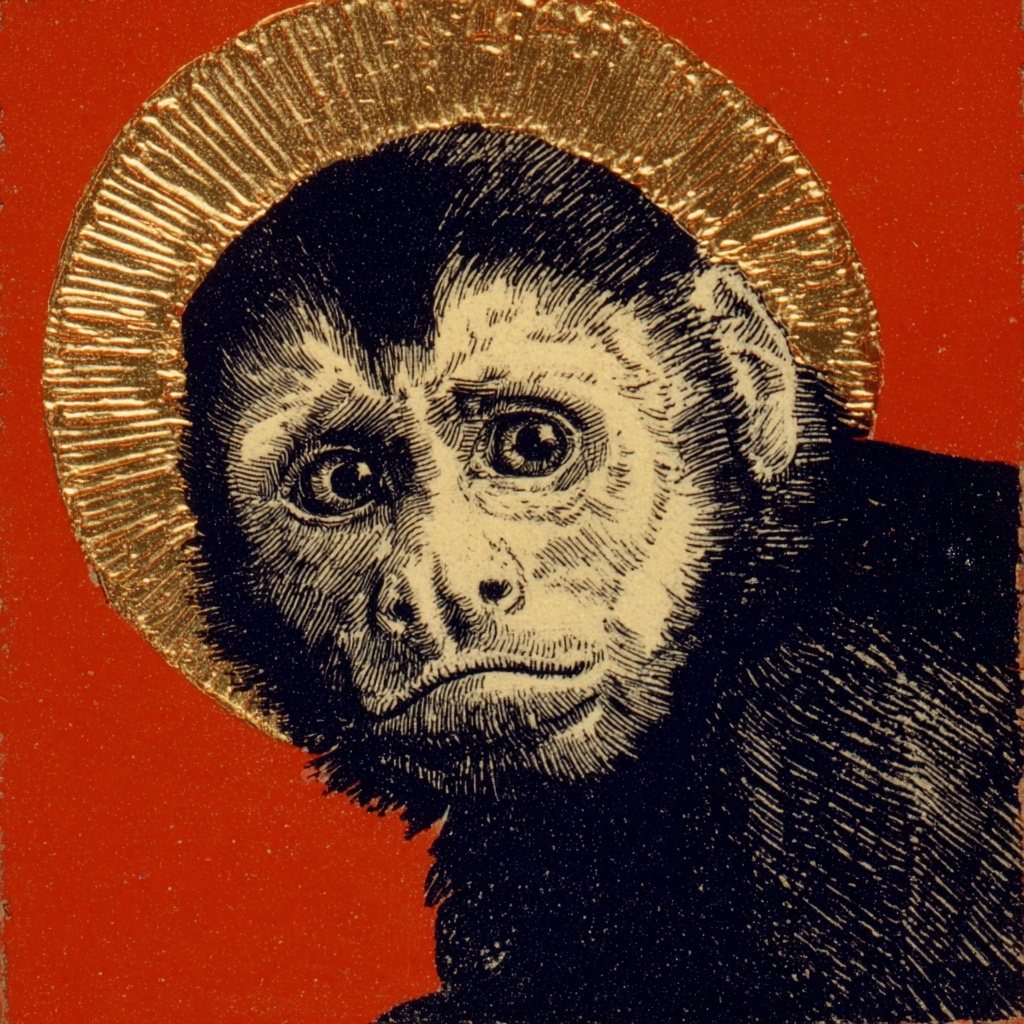
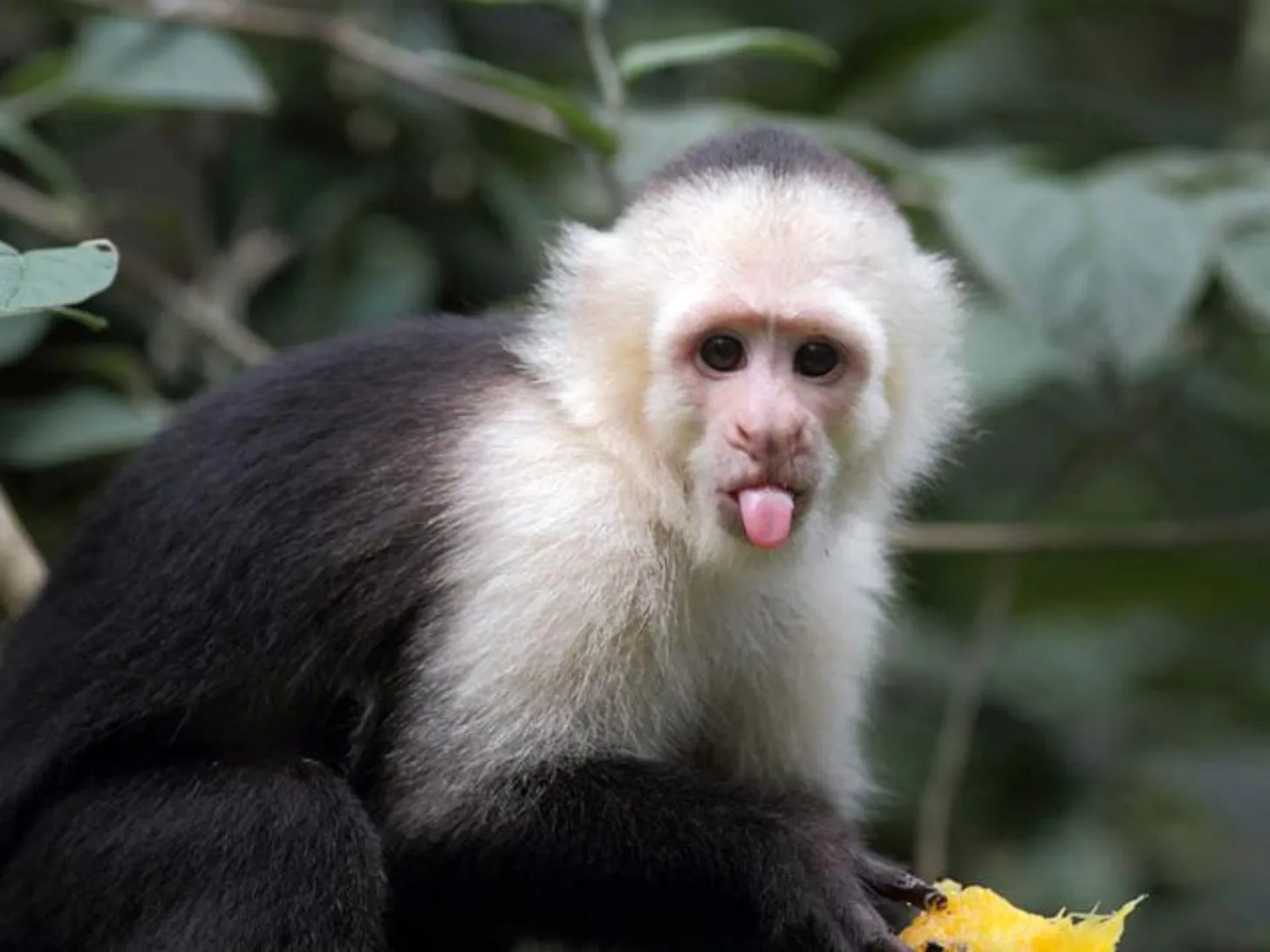
Capuchins are highly intelligent, social, and playful New World primates known for their complex, tight-knit group structures and mischievous, curious personalities.
Rejection rates doubled instantly once the grape was introduced. The monkeys didn’t just refuse the treats. They threw them. They began to hurl cucumbers back at the researchers, often hitting them directly in the face. They rattled their cage walls. They slapped the ground. They screamed at the top of their lungs. De Waal noted that when both monkeys got cucumber, “they’re perfectly willing to do this 25 times in a row.” But the grape changed everything.
When the experiment escalated further and one monkey received a grape for free (no token required), rejection rates soared even higher. One famous video of the experiment (which has been viewed tens of millions of times, because watching a monkey throw a cucumber at a scientist is one of the few pure pleasures left in academic research) shows a capuchin so outraged by the inequity that she appears to be staging a one-primate labor strike. The cucumber monkeys overwhelmingly rejected the snack, even when it was later offered for free. They would rather starve than participate in a system they could see was rigged.
Enfant Terrible
Essays on commerce, culture, and the art of ideas.
Capuchins diverged from the human lineage roughly 35 million years ago. Whatever circuit fires when that monkey throws the cucumber is old. Older than language, older than culture, older than human beings. Fairness is not a value that enlightened societies invented when they sought out human rights. It is not a concept that emerged from the Magna Carta nor the US Constitution nor 21st century DEI training. Fairness is a biological reflex. It precedes us. It will outlast us. And it’s worth paying more attention to.
“Fairness is a biological reflex. It precedes us. It will outlast us.”
The Ultimatum Game
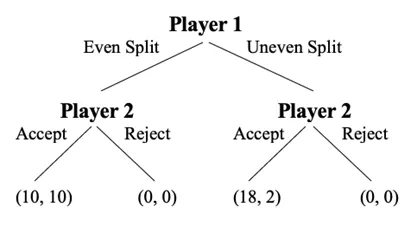
The same year the monkey labor strike paper was published, a neuroeconomist named Alan Sanfey put 19 people inside an fMRI machine at Princeton and asked them to play a game. Two players split ten dollars. Player A proposes a division. Player B accepts or rejects. If player B accepts, both keep the money. If player B rejects, nobody gets anything.
This is the ultimatum game. Economists have run it since 1982, when Werner Güth first published “An Experimental Analysis of Ultimatum Bargaining” from his lab in Cologne. It’s been reproduced by psychologists, anthropologists, and neuroscientists in dozens of countries across the globe. The result is always the same. Any offer below a 50/50 split gets rejected at the mean. People walk away from FREE MONEY to punish someone who got more free money than them. Over and over again. Australian economist Lisa Cameron’s 1999 study in Indonesia ran the game with a $100 pot, which was three months’ average expenditure for the participants. Didn’t change a thing. People routinely turned down $30 offers even though that equaled about two weeks’ wages. What Sanfey wanted to know was where this response lived in the body. What neural architecture could override economic self-interest so completely that a person would destroy free money on principle?
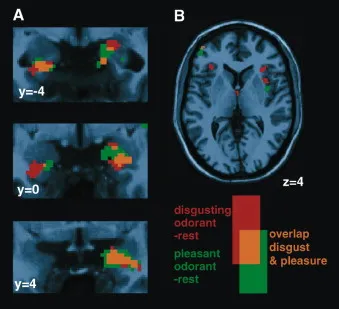
He found it in the anterior insula. A small fold of cortex buried deep in the lateral sulcus, involved in everything from taste to empathy to bodily self-awareness. Most neuroscientists associate it with one specific function: disgust. This is the neural tissue that activates when you smell rotten meat or see an infected wound. Its evolutionary job is obvious. Without a sense of disgust, without understanding when something or someone has been contaminated by a contagion, you would likely not make it through childhood.
What disgust actually looks like in the brain. Rotten meat or “cringey” brand campaign, it makes no difference.
Disgust is its own thing. It’s revulsion. A genetic distaste. What the kids these days might call the “ick,” if they’re even still saying that (I’m an elder millennial, sue me). When player Bs received an offer they deemed unfair, their insulae fired with the exact intensity pattern of someone encountering a dead body, or a maggot in their food, or any other kind of biological contaminant. The activation scaled. The more unfair the offer, the stronger the disgust response. At 90/10, the insulae were screaming.
Cultural Contagion
Unfairness is not processed in our brains as disappointment, fear, frustration, or anger. It’s closer to contamination. The behavioral output is identical to encountering poison or a plague rat. Reject and avoid. Do not consume. Do not return. The response is pre-cognitive, pre-verbal, and effectively irreversible. You cannot reason your way out of a disgust response.
When you evaluate a price, a product, or a brand interaction, your insula fires before your prefrontal cortex begins its rational cost-benefit analysis. Cognition is always playing catch-up. Your brain processes every transaction the same way the capuchin does: is this exchange clean, or is it contaminated?
So clean.
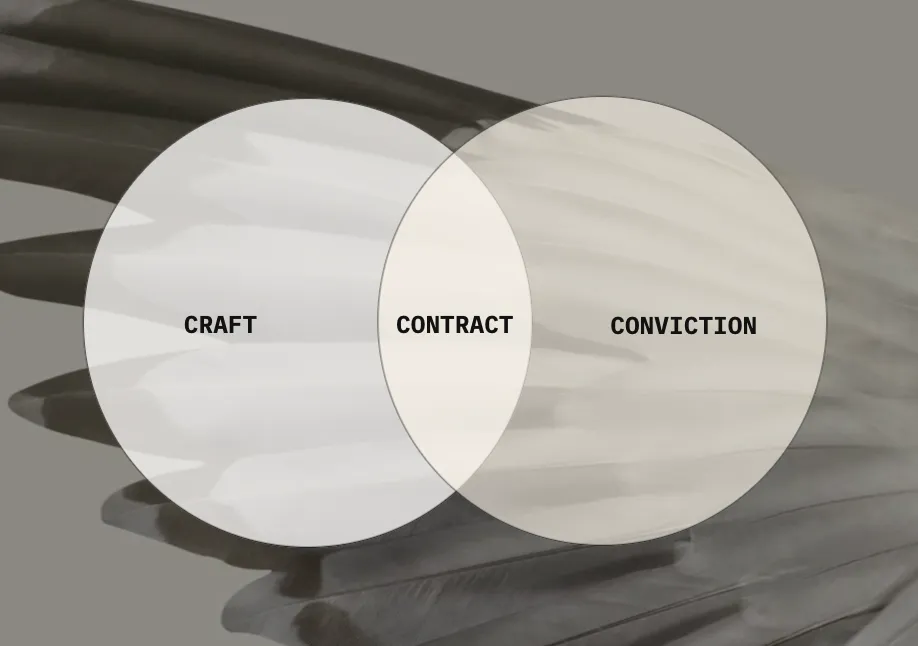
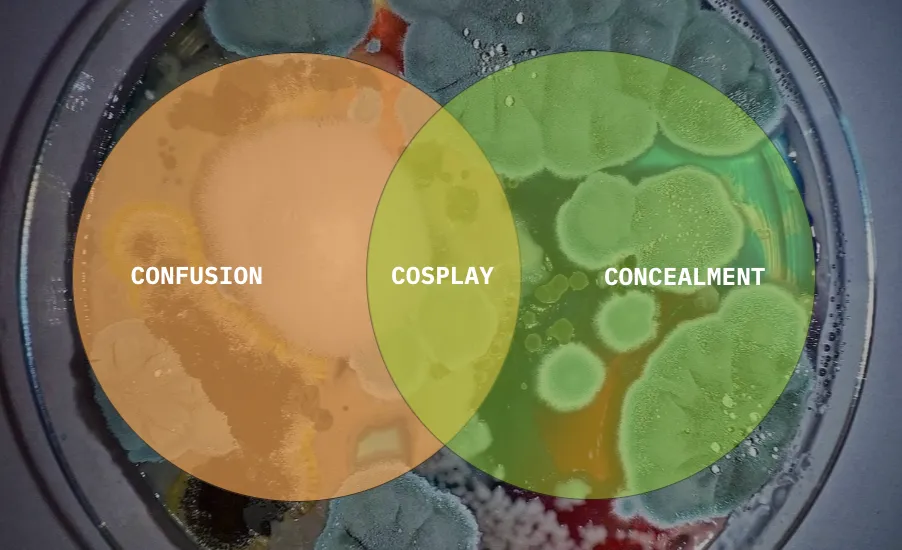
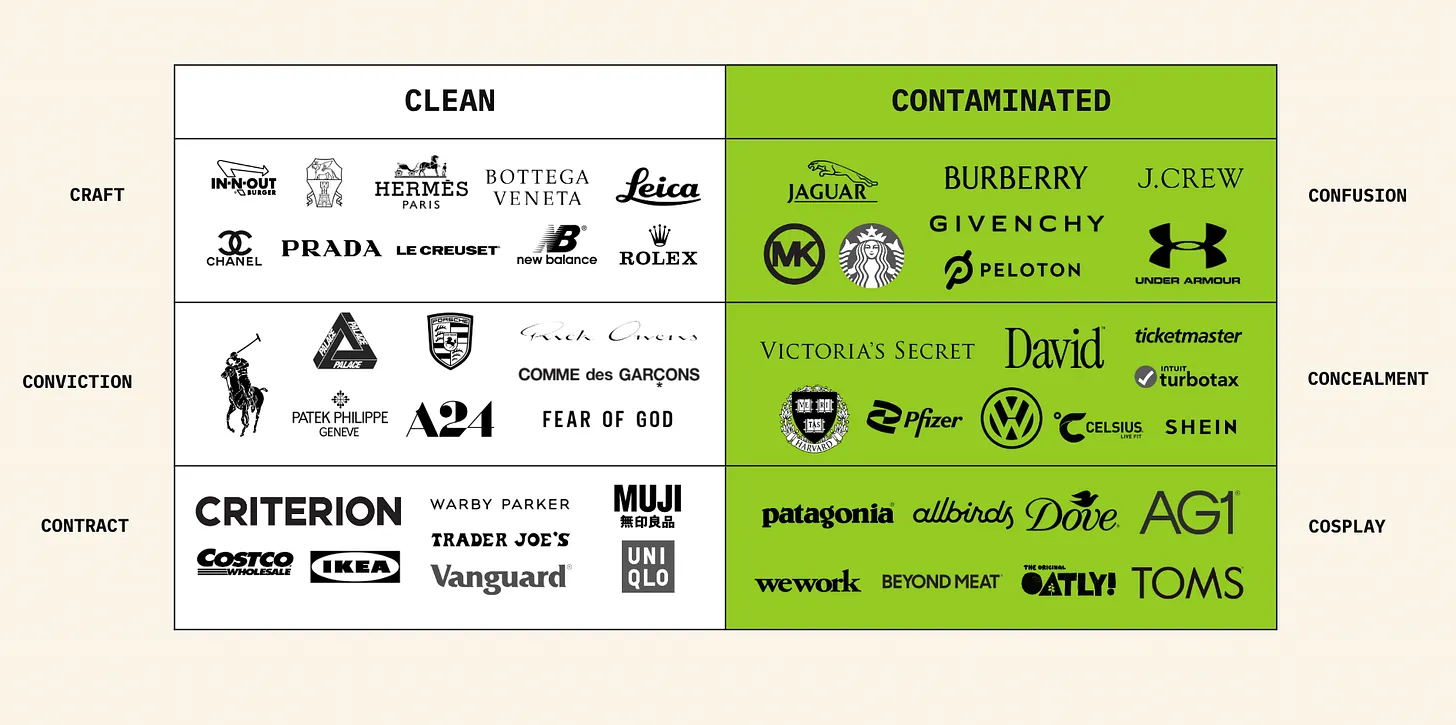
Some brands keep the insula quiet. They are clean, and they achieve cleanliness through three distinct mechanisms: Craft, Conviction, or Contract. A few rare companies have all three (Apple, I’d argue). But you only need one to build a brand that feels safe enough to advocate for. Others trigger the disgust response. Pricing makes things feel unfair, but so does a litany of other factors (that 30% full bag of chips, for example). Hypocrisy. Betrayal. Broken promises. These are contaminated brands, and contamination also manifests in three ways in the market: Confusion, Concealment, and Cosplay. These brands are inherently unfair in one way or another. Especially once the grape of a more legitimate alternative is dangled in front of us.
We’re going to largely use fashion and retail for our primary examples here, because consumer brands are the ultimate litmus test for sentiment en masse. In most categories, fairness and disgust can hide behind utility. You’ll tolerate a contaminated exchange if the product is necessary enough or mandated by your boss (ahem, Microsoft Teams). But fashion is pure surplus, by definition frivolous. It’s the fMRI machine of culture.
Alligator Farms: Clean by Craft
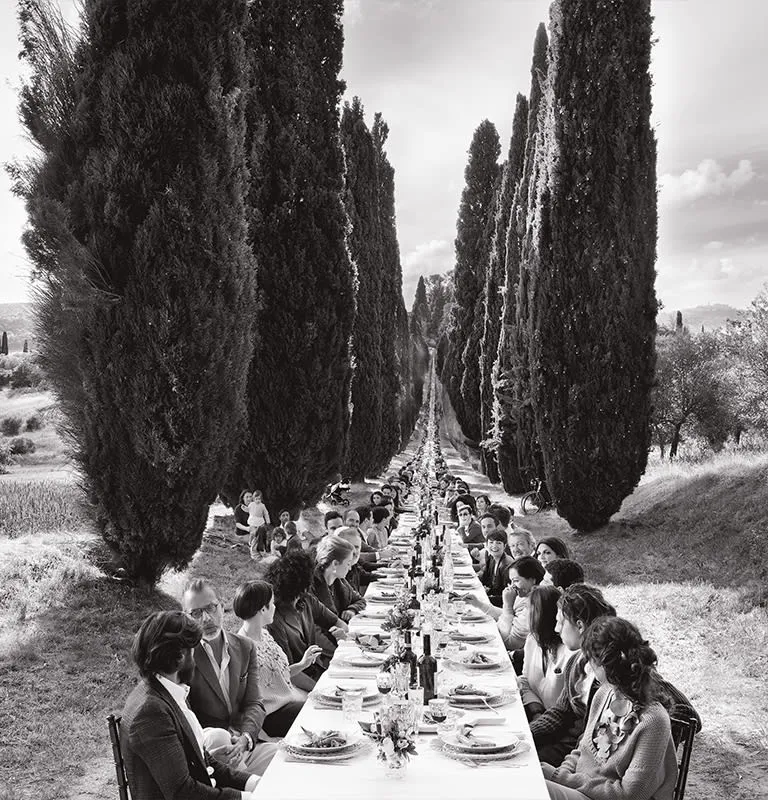
My favorite Brunello Cucinelli ad. The brand is equally down-to-earth and stratospherically opulent, embedding codes of Italian aristocracy into Silicon Valley staples.
Hermès. A single Birkin takes one artisan 18 to 25 hours of hand labor. The leather is sourced from specific tanneries. Hermès owns and operates its own crocodile and alligator farms for its exotic leather products. The thread is waxed linen, saddle-stitched with two needles operating simultaneously. $12,000 and up, waitlists that stretch years. Neither fact triggers the insula because the exchange feels legible. You can trace the money to the labor, to the care, to the artisanship. Craft through process. Compare this to a Louis Vuitton monogram bag at $2,000+. Social credibility in some circles, but made of waxed cotton canvas, not leather. They do not last very long. A Birkin can be passed down through generations.
Brunello Cucinelli. The man owns and has restored the 12th-century medieval village of Solomeo in Umbria, transforming it into his company headquarters and a humanistic factory town. A hamlet of cashmere and harmony. Craft through commitment. Hermès posted €15.2 billion in revenue in 2024, up 15%, with operating margins above 40%. Cucinelli grew 10%. In the same year, LVMH’s fashion division declined 8%. Same economy. Same consumer. One makes cucumbers, the others make grapes.
Craft isn’t defined by a price point, although it helps you build a more competitive pricing strategy. A $22 sandwich can be clean by craft if you see (and smell) the bread being baked every morning. But so can a $3 bacon egg and cheese from the bodega on your corner, because you’ve watched them make it the same for 11 years, and the owner calls you “boss,” and you needed that. At its core, craft is about clarity. An exchange of value that feels fair.
Never Flinch: Clean by Conviction
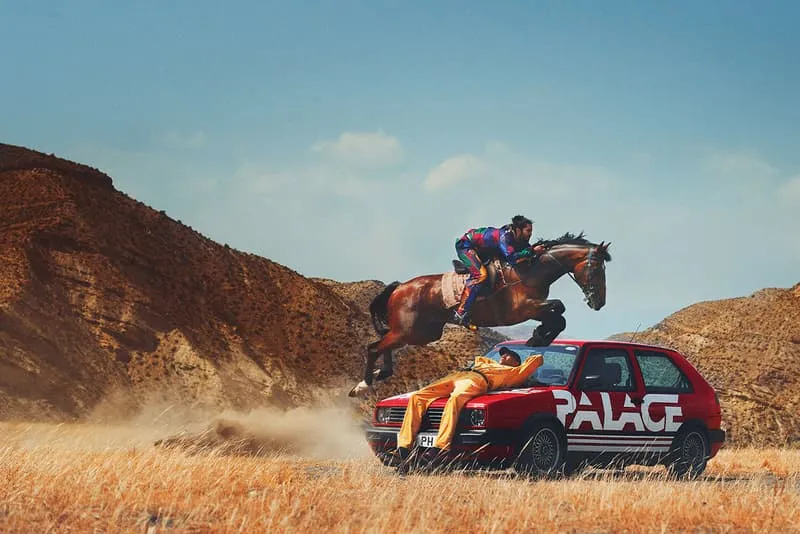
Polo x Palace worked, when it shouldn’t have, because both brands share conviction.
Ralph Lauren. Products that are not, on a materials-and-construction basis, always proportional to their price. Doesn’t matter. Ralph Lifshitz from the Bronx built an entire world of WASP-y Newport regattas and aristocratic British pheasant-hunts and turquoise-encrusted Colorado cowboys. Professorial tweed blazers and regimental silk repp ties and old money suede safari jackets and prep-punk skull and crossbones chinos. He did it with such absolute commitment that the fantasy became, over half a century, indistinguishable from the product itself. He has never flinched. Like an auteur filmmaker, the aesthetic is the story is the product. When the brand collaborated with British streetwear stalwart Palace, the partnership worked because it was two clean containers mixing. No risk of contamination. A shared conviction. And an independent streak, as well. It’s notable that Polo has never worked with Supreme, like every other brand on the planet. Ralph Lauren’s FY2025 revenue hit $7.1 billion, up 7%, with gross margin at 68.6%. The brand looks essentially the same as it always has. It recruited 5.9 million new customers last year anyway.
Rick Owens. The dark prince’s eponymous line is brutalist, stark, and strange. Designed to shock and repel. A tailor for gothic peacocks who want to be noticed and perhaps feared at the same time. Owens’ codes are monastic. Draped leather, elongated silhouettes, concrete runway shows staged inside ancient Roman ruins. Numbers for Owenscorp are hard to come by, since the company remains owned and operated by Rick and his muse Michèle Lamy. But revenue reportedly exceeded €150 million in 2025. This puts the brand in its own stratosphere for independent fashion. He hasn’t meaningfully shifted the look in over 30 years. Ralph hasn’t in over 50.
Conviction, unlike craft, doesn’t require performatively expensive materials or intensely visible labor to keep the insula quiet. It demands something harder to buy. Time and restraint. A commitment to changing nothing as the world around you changes everything.
Dollar Dogs: Clean by Contract
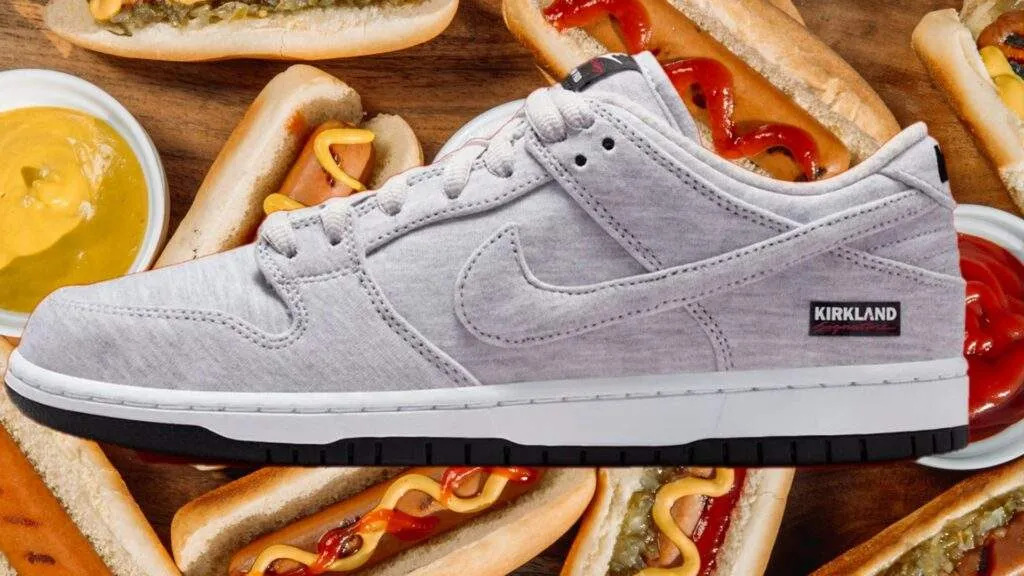
Costco is arguably the cooler brand in its recent Nike SB Dunk collaboration.
Costco. Products that don’t need to justify their price through visible craftsmanship or aesthetic consistency because the structure of the exchange itself is transparent. The social contract is the product. Costco’s membership model is a structural alignment of incentives so elegant it barely qualifies as a business strategy. It feels more like a religious decree. They profit from fees, not markups, so every product on the floor is priced as close to cost as possible. The iconic $1.50 hot dog has remained unchanged since 1985. Costco founder Jim Sinegal famously told then-CEO Craig Jelinek:
“If you raise the [price of the] fucking hot dog, I will kill you. Figure it out.”
The rotisserie chicken sells at a loss. Kirkland Signature matches mainstream brands at a fraction of the price. And something remarkable is happening inside these halogen-lit warehouses. Costco is selling Le Labo Santal 33 for nearly $100 less than Nordstrom. It carries Creed, Tom Ford, Aesop, and…at one point Rolex? In January 2026 they shock-dropped the Kirkland Signature x Nike SB Dunk Low at select locations. Pairs resold for $1,000 within days, despite the noticeably cool sneaker market of today. The insole has a hot dog on it, of course. Somehow, Costco feels like the cooler brand here. The one Nike is drafting equity from the way it has in the past with Supreme, Off-White, and Travis Scott. A concrete box in a nondescript parking lot is becoming a destination for premium brands because the container is neurologically trusted.
Costco posted $270 billion in revenue in fiscal 2025, up 8%. Membership renewal rates sit above 90% in the US and Canada. The fee increase they implemented in September 2024, the first since 2017, didn’t slow sign-ups. Membership grew 6.3%. You raise the price and more people show up. The contract is so clean that anything placed inside it inherits the purity.
IKEA runs the same mechanic through radical process transparency. You see the particle board, you read the tag, you pull the flat-pack off the shelf yourself, you assemble it at home with a wordless manual and a hex key (god willing). The BILLY bookcase has cost roughly the same since 1979. The ownership structure, a Dutch foundation with no outside shareholders, means no one in the room is demanding margin expansion. IKEA is also irrationally culturally relevant. Just ask Punch, the viral baby monkey who was abandoned by his mother and now clings to a $20 IKEA orangutan plushie as a surrogate. The toy sold out within days. Ingka Group posted €41.5 billion in revenue in FY2025 while, like Costco, actively lowering prices.
Contract-clean brands don’t need craft’s visible labor nor conviction’s auteur mythology. They need something harder to fake: a pricing structure and a customer relationship so transparent that the deal always feels fair and the customer never thinks twice.
Cleanup on Aisle 3!
What all three mechanisms share is legibility. Craft makes the labor visible. Conviction makes the commitment to a vision visible. Contract makes the terms of operations visible. The customer can see where the money goes and believe what they see. Our insulae stay quiet. The brands stay clean. And clean brands, as the data shows, are growing while the rest of the market contracts.
Of course, most brands today are decidedly not clean. It’s worth noting that confusion, concealment, and cosplay aren’t fringe corporate failures. They are the dominant business and sociopolitical model of the last 20 years. Growth-at-all-costs was built on concealment. The DTC boom was largely cosplay. Luxury conglomerate rollups are confusing by design. The system is contaminated.
Cringe: Contaminated by Confusion
I actually kind of like what Burberry has been doing recently from a marketing perspective. But I still haven’t bought anything from them.
Michael Kors. Burberry. Givenchy. Brands whose customers can no longer locate where their money goes. Kors’ revenue dropped 14% in 2025. Their owner Capri Holdings’ CEO has said “we were disappointed with our results” for three consecutive quarters, which is the earnings-call equivalent of a hostage video. Prada, a clean brand, bought Versace from them for $1.4 billion at the end of 2025. The way you might buy a neglected vintage sportscar at a foreclosure auction.
Burberry lost 17% of revenue in FY25, posted a £3 million operating loss versus £418 million profit the year prior, and is cutting 1,700 jobs. Givenchy is three creative directors deep in five years and culturally invisible. On LVMH’s most recent earnings call, Bernard Arnault told investors that “some houses have increased their prices in a somewhat extravagant manner without really giving any justification.” He’s correctly diagnosed that his brands are contaminated by confusion, he just doesn’t know it yet.
These companies are charging $400 to $4,000 for a handbag but can’t explain whether you’re paying for heritage, for design, for a creative director who was fired two seasons ago, or for a logo the brand itself seems embarrassed by. No one inside these companies can agree on what’s being sold, or to whom. On what their story is. On their “why?” That’s confusion. It’s the opposite of conviction. And consumers have a word for it too: Cringe.
Regina George’d: Contaminated by Concealment
Too good to be true? Branding can’t save a company that’s contaminated by concealment.
Concealment is simpler and uglier. When a lie is revealed, the disgust response is retroactive and total, even if it’s just a rumor. Every prior transaction gets re-contextualized. Every positive experience is neurologically reclassified as a falsehood. Brands that are caught in concealment trigger the same feelings that a cheating spouse or con-artist business partner would. Volkswagen’s diesel emissions scandal is the most glaring corporate concealment case in recent history. 11 million cars, $33 billion in fines, stock lost over 30% of its value in mere days. But examples abound if you’re brave enough to actually Google the brands you love.
Most damning in fashion is the recent scandal at LVMH’s Dior. Milan prosecutors found that Chinese-owned workshops near the city were assembling the luxury brand’s €2,600 bags for about €53 apiece. The workers slept in the factories, safety devices were removed from machines, and many laborers lacked legal documentation. Because the workshops were local, Dior’s goods still carried the valuable “Made in Italy” label. Dior is facing a slowdown in sales. 2025 results showed lower revenue and profit, hit by a 3% dip in the U.S. and an 11% drop in the ever-important Asia market. Now Arnault has concealment to deal with too. No wonder he seems to be obsessed with trying to buy Hermès.
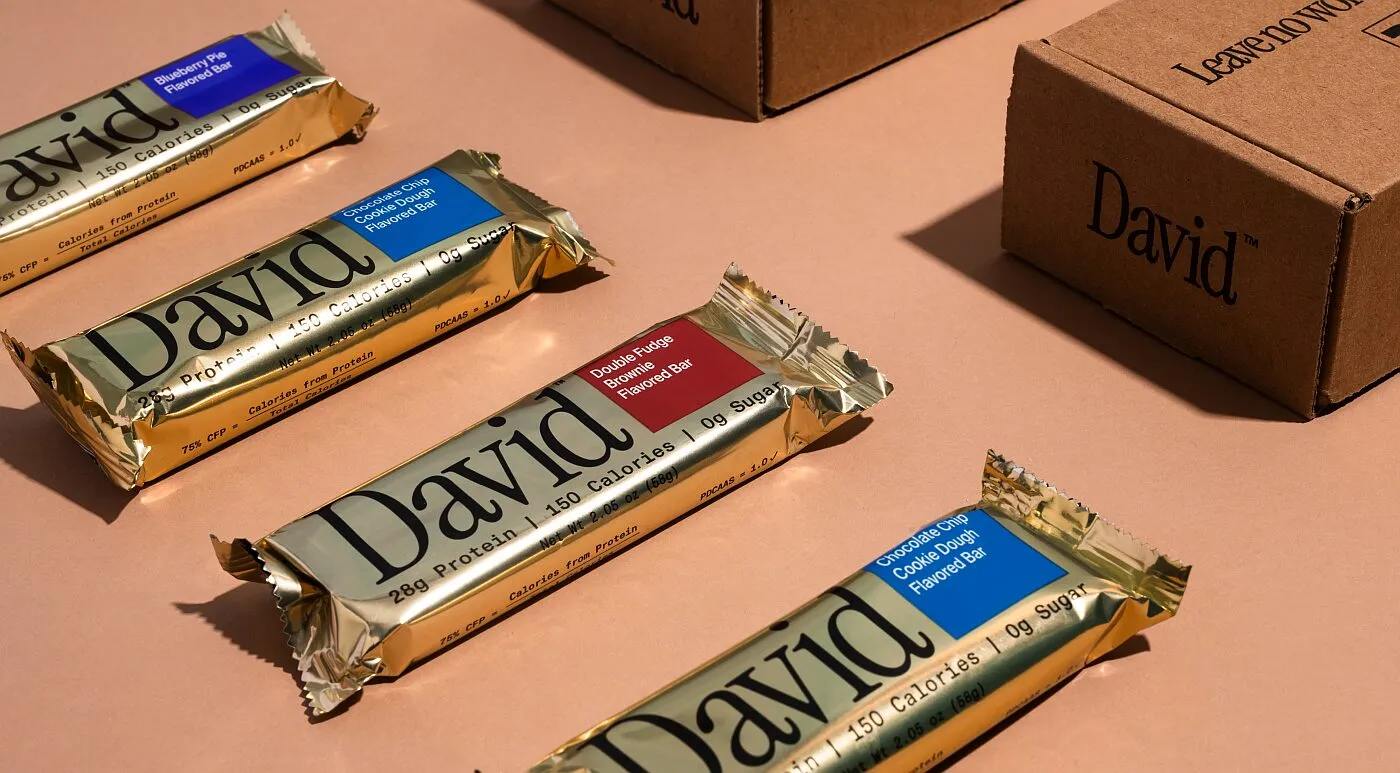
Even hot new brands are at risk for this. David Protein, which is oh-so-hip, is marketed at 150 calories with only 2 grams of fat. A class action lawsuit filed this January alleges independent testing found 83% more calories and 400% more fat than the label claims. Peter Rahal, the founder, says the suit’s testing methodology (something called bomb calorimetry) is inherently flawed and he will be counter-suing. He savvily chose to make this statement on Substack via Emily Sundberg’s Feed Me. Rahal may be right, yet the internet is already saying they feel like they’ve been Regina George’d. The brand, like Dior, has the equity to recover. But right now it may feel contaminated by concealment.
Earth is Not a Shareholder: Contaminated by Cosplay
One of the best ads ever. But Patagonia’s not who they pretend to be.
Cosplay borrows the language of cleanliness to mask the contamination underneath. Oatly built a countercultural identity so convincing that the brand turned getting sued by the Swedish dairy lobby into a greatest-hit punk rock marketing campaign. Then they took $200M from Blackstone, whose portfolio includes companies linked to deforestation in the Amazon. Market cap has collapsed from $10 billion to roughly $340 million. The product didn’t change, but the container got contaminated.
Allbirds told us they were saving the planet with wool sneakers and a carbon-neutral supply chain. The company went public at a $4 billion valuation. Revenue dropped 25% in 2024, U.S. stores are closing, and market cap has cratered to about $20 million. The product didn’t back up the story. Allbirds shoes famously fall apart, sometimes with only months of wear. No amount of carbon neutrality survives a sole that doesn’t.
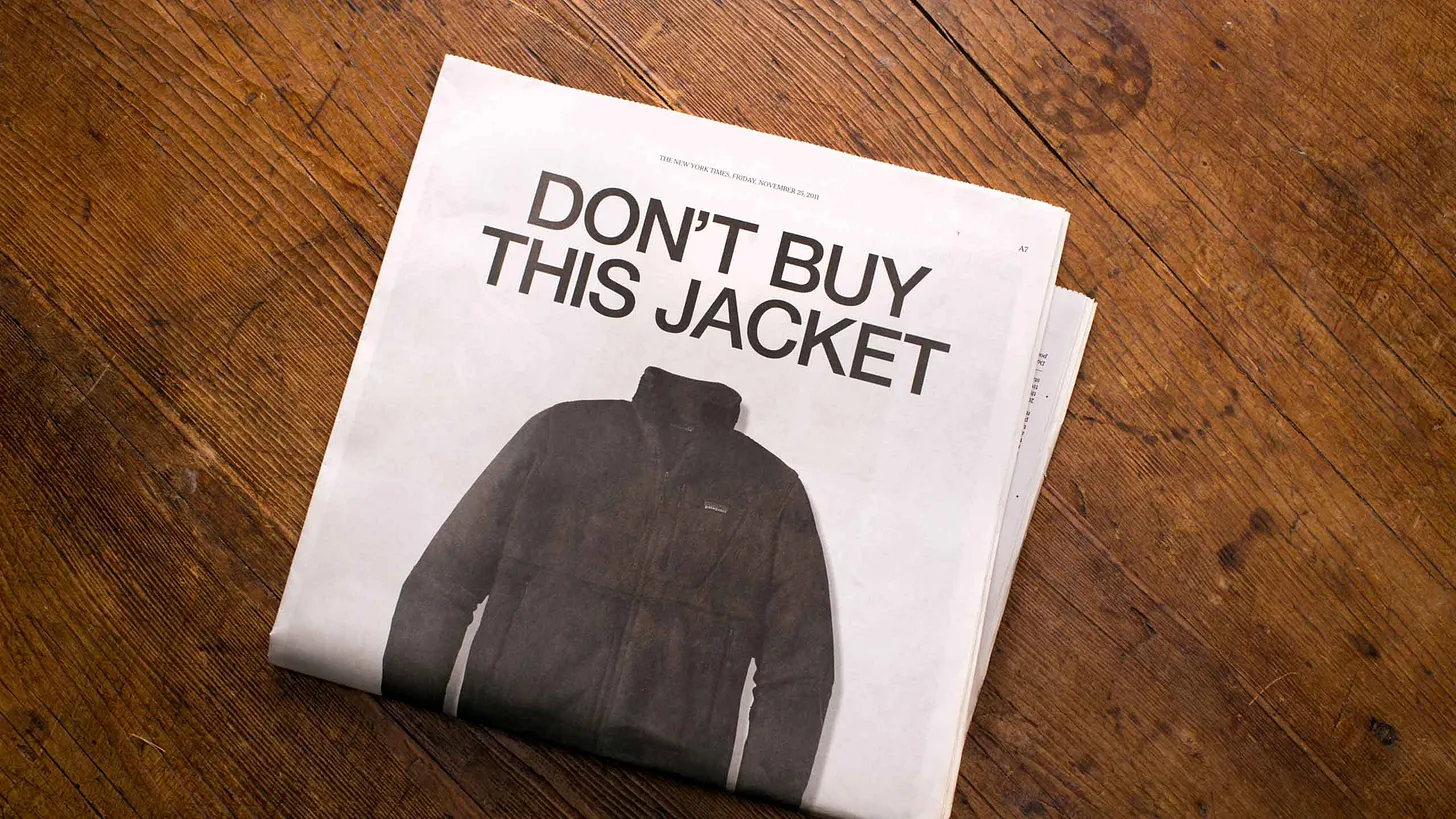
But most nefarious is one of my generation’s favorite brands. Or at least it used to be. In 2011, Patagonia ran a full-page ad in the New York Times on Black Friday. “Don’t Buy This Jacket.” Revenue jumped 30%. By 2022, they’d crossed $1.5 billion.
That same year, founder Yvon Chouinard announced he was giving the company away. “Earth is now our only shareholder.” He did not give the stock to Earth, or an environmental nonprofit of any kind. He made his own. 98% of shares were transferred to the Holdfast Collective, a 501(c)(4) nonprofit that can make unlimited political donations. The Chouinard family retained all voting shares and paid $17.5 million in gift taxes on a company now valued at $3 billion. They avoided an estimated $700 million in capital gains taxes in the process. In 2019, the company stopped selling its fleece vests to financial firms. The bankers didn’t seem to mind. In fact, they’re the only people openly admiring Chouinard’s tax evasion scheme.
Patagonia now sells tinned “organic smoked wild salmon fillets.” Indeed, something smells off. Revenue has declined every year since they stopped selling those vests. Two rounds of layoffs in 2024 alone. E-commerce down 10%. Meanwhile, Arc’teryx surpassed $2 billion in sales that same year, grew 36%, and is targeting $5 billion by 2030. The gorpcore customer didn’t leave the great outdoors. But she has left Patagonia.
All’s Not Fair
Every brand sits somewhere on this chart. The only question is whether your customer can see where the money goes.
When de Waal presented his findings on the capuchin labor strike at Berkeley, a philosopher in the audience objected. He said it was impossible for monkeys to have a sense of fairness because fairness was invented during the French Revolution. He was not joking.
The dominant emotional register of 2026 is rage, which is really disgust, which is really unfairness. The modern information environment has made this structural. Every consumer now lives in a cage adjacent to every other, simultaneously, on a screen in their pocket. You can see every time someone else gets a grape, even if you’re rich in cucumbers. The insula never gets a rest. This isn’t an irrational anger. It’s the correct biological response to an environment saturated with visible inequity. Brands are stuck in the middle of all this.
Rage is obvious, but it’s not a smart emotion for marketers to target. It’s the realm of politicians, and it’s not working for them. In 1958, 73% of Americans trusted the federal government to do the right thing. By 2023 that number cratered to 16%, among the lowest in nearly seven decades of polling. Trust is low. But trust is also a buzzword that comms alone cannot build. People don’t lose trust in your brand because it showed up next to a post they don’t like on Twitter. They lose trust because your proposition is unfair. Fairness you can do something about. Right now. The brands that survive the next decade will be the ones that taste like grapes in a market full of cucumbers.
So build a clean brand. Not because it’s ethical, although it might be. Not because it’s sustainable, although it can be. Not because it’s good marketing, although it’s the best marketing there is. Build a clean brand because no matter what you make, there’s a part of your consumer’s brain that’s older than language itself. It will outlive your company, your category, and your career. And it calls bullshit.